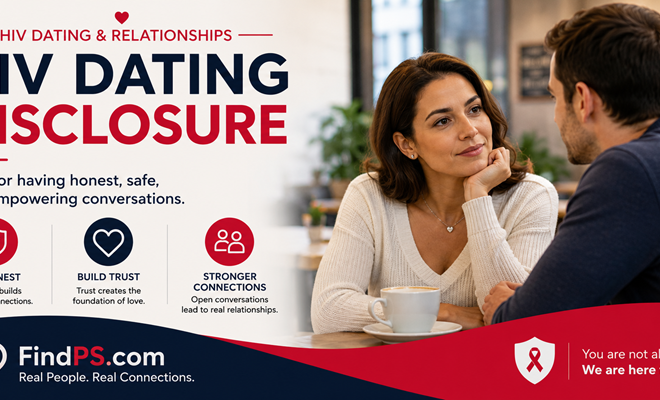
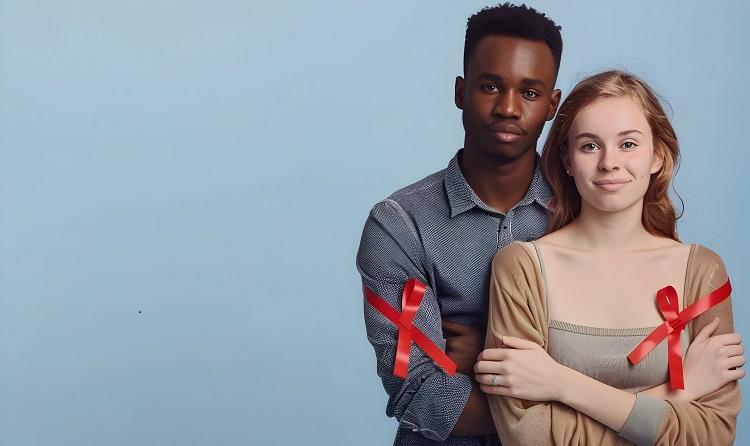
World HIV Day — observed each year as a moment to honor those living with HIV, remember lives lost, and renew global commitment toward prevention and care — does more than set a calendar date. For people who date with HIV, for allies, and for the communities that form around intimacy and serostatus, World HIV Day is a catalyst. It’s an annual spotlight that helps reduce stigma, expand knowledge, and strengthen the networks that make dating safer, kinder, and more joyful.
Below I’ll walk through how World HIV Day inspires and strengthens HIV dating communities — practical ways organizers and participants turn awareness into action, and how you can plug into resources and support centers that matter.
-
Visibility breaks stigma — and better dating follows
Stigma is the single biggest barrier people living with HIV face in romantic and sexual relationships. World HIV Day creates public visibility: campaigns, social media posts, and local events center factual information and human stories. When communities share honest accounts of living, loving, and dating with HIV, it chips away at misconceptions (about transmission, life expectancy, fertility, and what it means to be “undetectable”).
Why that matters for dating:
- People feel safer disclosing their status when community norms are less judgmental.
- Partners are more likely to have accurate information (rather than myths) about transmission and risk.
- Dating platforms and local venues are pressured to create more inclusive policies.
Quick action you can take: Share a credible fact each World HIV Day — for example, that effective antiretroviral therapy can make viral load undetectable and transmission risk effectively zero — and include a personal or community-focused message.
-
Education events create safer, more confident daters
World HIV Day often workshops, webinars, and Q&A sessions on sexual health, PrEP, U=U (Undetectable = Untransmittable), disclosure strategies, and legal rights. When dating communities host these events, attendees gain tools to:
- Talk about HIV with partners in ways that feel authentic and safe.
Understand prevention choices (condoms, PrEP, TasP, PEP). - Navigate dating apps and profiles with confidence.
Tip for organizers: Make materials multi-format (short videos, printable scripts for disclosure conversations, and FAQ handouts) — people learn differently and these durable resources live beyond the event.
-
Peer support networks reduce isolation and build resilience
Dating with HIV can be emotionally complex. Peer support meetups—both in-person and online—provide spaces to practice disclosure, swap onboarding tips for dating apps, and role-play sticky conversations. World HIV Day is a perfect time for these groups to recruit new members and normalize friendship alongside romance.
Benefits of peer networks:
- Real-time advice on managing rejection, harassment, or privacy concerns.
- Shared recommendations for HIV-friendly clinicians and therapists.
- Matchmaking/interest groups that center people living with HIV or sero-discordant couples.
If you’re new: Attend an introductory peer circle and bring one non-judgmental question. That’s enough to start connecting.
-
Dating platforms are pushed to do better
Visibility from World HIV Day encourages dating apps and platforms to adopt safer policies, more inclusive profile fields, and better moderation. Public campaigns and user pressure have led some apps to:
- Add optional HIV status fields and prevention status (PrEP, undetectable) with privacy protections.
- Improve reporting tools for harassment and non-consensual disclosure.
- Partner with public health organizations for in-app educational prompts.
What you can ask your app to do: Provide an in-app resource hub that links to local testing and support centers, and allow for private profile badges that users can control.
-
Harm-reduction and practical health resources
World HIV Day is also an organizing moment for clinics and NGOs to offer free or low-cost services: testing drives, STI screenings, PrEP navigation, and mental health referrals. That direct access translates to healthier dating communities because people can obtain prevention tools and medical care quickly and confidentially.
Community action idea: Host a “dating health” pop-up on or near World HIV Day that combines testing with plain-language guides about dating safety and disclosure scripts.
-
Storytelling fuels empathy and shifts norms
Stories are powerful. World HIV Day’s storytelling campaigns — photo essays, short films, and social posts — humanize the lived realities of dating with HIV. Hearing a range of voices (queer communities, heterosexual couples, trans+ people, older adults) helps dismantle one-size-fits-all stereotypes and encourages inclusive, empathetic dating norms.
If you’re telling a story: Respect consent and privacy. Offer people editorial control, and prioritize dignity over shock value.
-
Policy wins strengthen community protections
Public attention around World HIV Day often policy discussions — confidentiality protections, insurance coverage for PrEP and mental health, and anti-discrimination laws. Strengthened protections make it safer for people living with HIV to care, to disclose when they choose to, and to pursue relationship opportunities without fear.
How to get involved: Support local advocacy groups that lobby for healthcare access and anti-stigma measures — even small donations or petition signatures matter.
-
Practical dating tips inspired by World HIV Day conversations
World HIV Day-generated resources often produce practical tips you can use immediately:
- Lead with facts, not fear: Use concise, factual language when you disclose, and offer a moment for questions.
- Keep prevention options visible: Mention PrEP options, condoms, and U=U where relevant.
- Use “I” language: “I have HIV; my viral load is undetectable” invites a personal, not moral, conversation.
- Set boundaries: Be explicit about what behavior is acceptable or not (e.g., sharing private health info).
- Take care after rejection: Lean on peer groups or a therapist—rejection can reopen old wounds.
Community Resources & Support Centers (where to find help)
Below are the types of resources and example organizations to look for. Exact local availability varies—search for equivalents in your city, and if you want, tell me your region and I’ll list local centers.
Global / National organizations (examples):
- UNAIDS — global policy, data, and campaign resources.
The Trevor Project — crisis intervention and suicide prevention for LGBTQ+ youth. - Avert — clear, accessible information about HIV prevention and care.
- Local public health departments — often maintain testing sites, PrEP navigation, and partner services.
Healthcare and testing:
- Community sexual health clinics (walk-in testing, STI screening).
- Federally funded health centers or clinics offering sliding-scale services.
- Hospitals with dedicated infectious disease or HIV clinics.
Mental health and counseling:
- Therapists experienced with HIV-related trauma and disclosure anxiety.
- Peer-led counseling groups (community centers often run these).
- Online therapy platforms with filters for affirming providers.
Support & peer groups:
- Local LGBTQ+ centers (support groups, social events).
- HIV-specific community groups (in-person meetups, online forums).
- Sero-discordant couple groups (support for mixed-status relationships).
Legal and advocacy:
- Organizations that provide legal help for discrimination or privacy breaches.
- Advocacy groups focused on healthcare access and anti-HIV stigma laws.
Dating-specific safety services:
- Workshops on safe disclosure and online safety.
- Moderation/reporting support through dating apps.
Closing: From awareness to lasting change
World HIV Day is more than a date — it’s a momentum builder. When communities harness that momentum to educate, mobilize services, and strengthen peer networks, dating spaces become safer and more welcoming.
Whether you’re sharing a story, attending a workshop, or organizing a pop-up testing drive, your participation helps transform stigma into solidarity — and that creates healthier relationships, deeper trust, and more resilient communities.