
Dating with HIV in India for Men | PositiveSingles
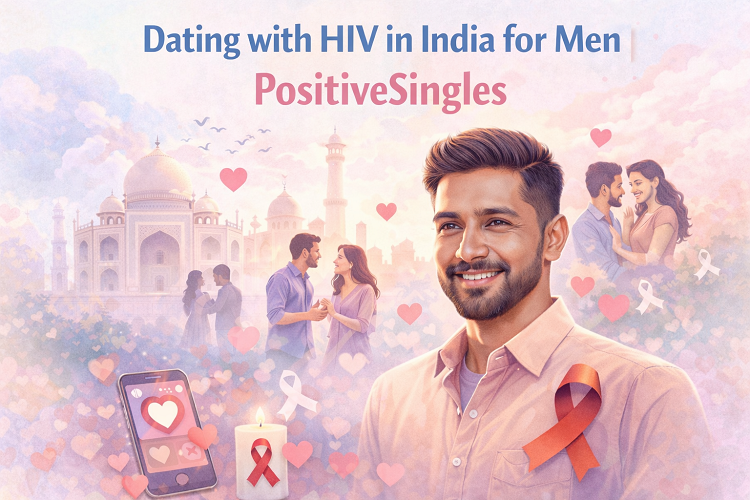
Dating can feel exciting, nerve-racking, and full of possibility no matter who you are. But for Men Living With HIV In India, it can also come with questions, fears, and unique challenges. This guide is designed to help you navigate dating with HIV with confidence and clarity.
Whether you are newly diagnosed, returning to dating after a long break, or looking for love online or offline, this page offers practical advice, emotional support strategies, safety tips, and India-specific resources and community links.
Understanding Dating with HIV
Dating with HIV is about continuing to build meaningful emotional and romantic connections while taking care of your health. It allows you to explore companionship, intimacy, and love at a pace that feels right for you. You are not required to share your HIV status in the very first conversation — what truly matters is mutual respect, informed choices, personal safety, and clear consent.
Living with HIV does not reduce your value or your ability to form deep, fulfilling relationships. Instead, it reflects strength, responsibility, and self-awareness. When you date with honesty, care, and confidence, you create space for trust, understanding, and genuine connection to grow naturally.
Overcoming Stigma and Building Confidence
The Reality of HIV Stigma in India
Even though medical science has advanced, HIV still carries stigma. Some people in India may have misconceptions about how HIV is transmitted. This can make dating intimidating.
You are not alone:
- Many people living with HIV find loving, supportive partners.
- Education and open communication reduce fear and discrimination.
Tip: Respect your own journey. Confidence is attractive.
HIV & Modern Medicine — What You Need to Know
ART (Antiretroviral Therapy)
Effective antiretroviral therapy (ART) suppresses the virus to undetectable levels. This matters for dating and sexual health:
U=U:
Undetectable = Untransmittable —
If your viral load is undetectable thanks to ART, you cannot sexually transmit HIV. This is a medically established fact and a powerful part of safe, confident dating.
Practical Takeaways
- Stay on your medication.
- Get regular viral load testing.
- Share your health progress honestly when you choose to.
Medical Tip: Discuss health plans with your clinician to make informed decisions about intimacy and relationships.
When and How to Disclose Your HIV Status
Should You Disclose Your HIV Status?
Short answer: Yes — but when and how is up to you.
Disclosure is a personal choice. The right time varies by person and context. There’s no universal rule — but honesty and safety should guide your decisions.
Possible disclosure moments:
- Before sex
- When trust has been established
- When you feel safe
- On your terms
How to Share Your Status
Use clear, calm language. Focus on facts and how you manage your health:
“I’m HIV-positive, but I take medication regularly, and my viral load has been undetectable for X months.”
Avoid: Pressure, fear tactics, vagueness, or oversharing too soon.
Communication Tips:
- Stay factual
- Be prepared for questions
- Respect your partner’s emotions
Safety, Health, and Intimacy
Safer Sex Practices
Even with undetectable status, protection options include:
- Condoms
- Pre-Exposure Prophylaxis (PrEP) for partners
- Regular STI testing
- Open conversations
Intimacy Beyond Intercourse
Relationships are more than sex. Emotional bonding — conversation, affection, shared interests — enrich connection and build trust.
Navigating Online Dating & Apps 
Tips for Online Dating with HIV
Online dating platforms — especially PositiveSingles — create safe spaces for people living with HIV.
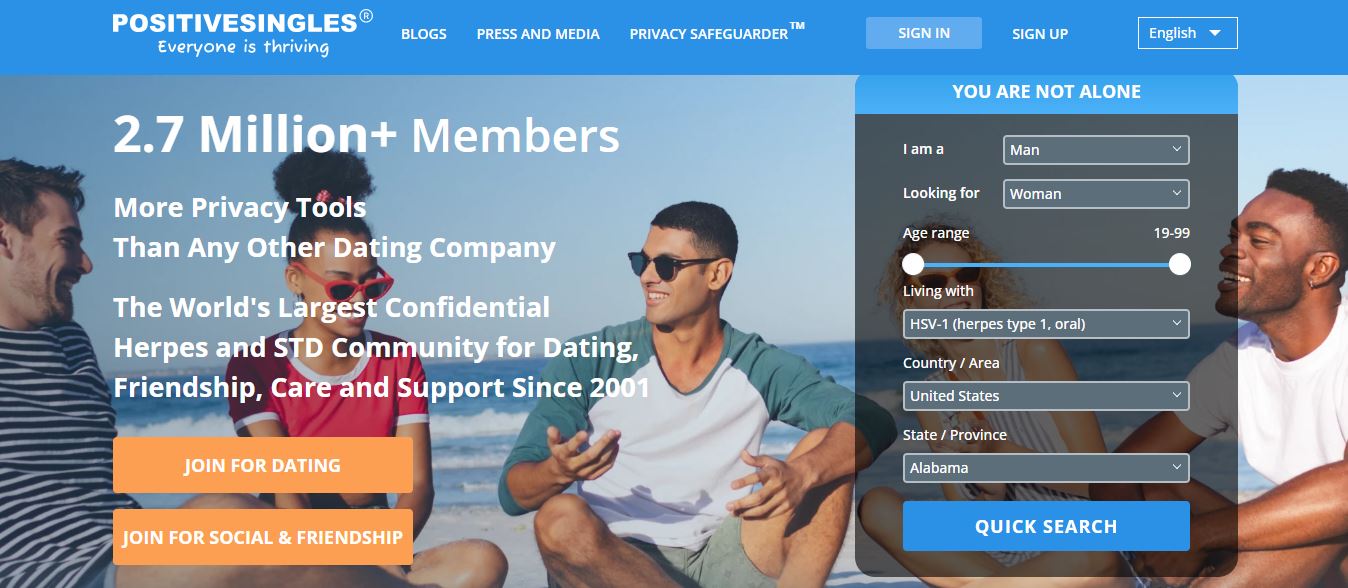
Profile Tips:
- Be authentic
- Highlight interests first
- Share health & dating preferences clearly
Conversation Starters:
- “I’m passionate about hiking and photography. What’s your favorite weekend activity?”
- “I manage my health actively — let’s chat about life goals?”
Safety Reminders:
- Take your time getting to know people online.
- Move to video calls when comfortable.
- Meet in public places for first dates.
Emotional Well-Being and Support
Coping with Rejection & Self-Doubt
Rejection can hurt everyone. But rejection related to your status does not define your worth. Practice self-care:
- Journaling
- Talking to trusted friends
- Counseling or peer groups
Mental Health Matters
Living with HIV can sometimes bring anxiety, shame, or stress. Talk to healthcare professionals when needed. You deserve emotional support as much as physical health care.
Legal Rights & HIV
Know Your Rights in India
In India, discrimination against people living with HIV is legally prohibited under various health and human rights laws. You have the right to:
- Confidential medical care
- Protection from discrimination
- Equal access to services
If you face discrimination, consult community legal support services listed below.
Community Resources for Men Living with HIV in India
Below are trusted India-specific support centers, helplines, and organizations you can turn to for information, counseling, medical referrals, legal aid, and community connection.
National Resources
- National AIDS Control Organisation (NACO)
Government body working on HIV prevention, care, treatment, and support. - Targeted Interventions (TIs)
State-level programs for testing, counseling, and linkage to ART. - ART Centres Across India
Public health clinics offering free antiretroviral medicines and monitoring.
Community Support Organizations
Humsafar Trust (Mumbai & Nationwide)
A leading LGBTQ+ organization that offers HIV counseling, support groups, and community programs for men living with HIV.
Naz Foundation (Naz India)
Works on sexual health, HIV awareness, legal support, and community empowerment.
SAATHII
South Asia AIDS & Human Rights Initiative – provides training, counseling, and partnership support.
Sangama (Bangalore)
Community support center for sexual minorities with HIV programs.
Samarth (Delhi)
HIV support and community care with outreach and linkage services.
Positive People (Chennai)
Peer support groups, skill building, and community networks for PLHIV.
Action India
Women and community health organization with HIV support, psycho-social care.
India HIV/AIDS Alliance
Capacity building, stigma reduction, and community engagement programs.
Building Healthy Relationship Habits
Communication is Key
Healthy relationships are built on:
- Clear expectations
- Respect for boundaries
- Ongoing consent
Setting Boundaries
Understand your needs and communicate them early:
- What intimacy looks like for you
- Comfort with disclosure timing
- Emotional support needs
Balancing Love & Life
Dating should enhance your life — not take away stability. Maintain:
- Work and life balance
- Friendships and hobbies
- Personal goals
FAQ – Dating with HIV in India
Q: Can I date women or men with HIV?
A: Yes — you can date anyone you choose. Respect consent and communication.
Q: Do I have to tell my partner I’m HIV-positive?
A: Ethically and legally, open communication before intimacy is encouraged — but timing is your decision.
Q: Will online dating work for me?
A: Many HIV-positive men find supportive partners online. PositiveSingles is a welcoming space where health status is normalized.
Q: What if someone reacts badly?
A: That says more about their understanding than your worth. Redirect your energy to supportive people and communities.
Conclusion: Love, Respect & Confidence
Dating while Living With HIV In India is a journey of self-discovery, compassion, and courage. With the right tools, support, and mindset, you can build meaningful relationships and live a rich emotional life.
Here’s what matters most:
Self-respect
Confident communication
Health safety
A supportive community
Your story is unique — and your next chapter can be full of connection, joy, and love.