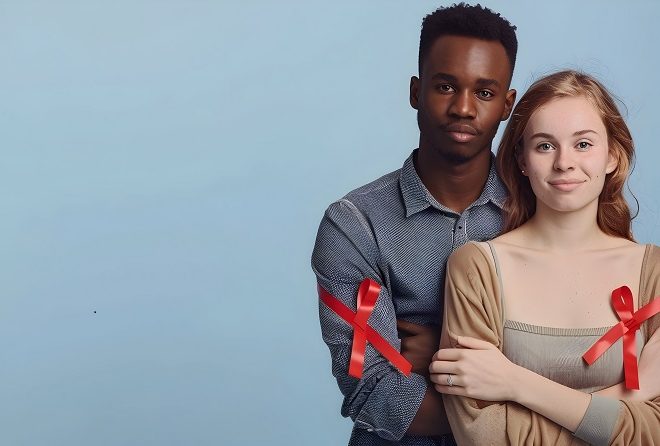

Gay dating has come a long way in the digital age, offering unprecedented ways to connect, flirt, and fall in love. Yet for many gay and queer men, one persistent challenge continues to shape dating experiences — HIV-Phobia. This fear and stigma associated with HIV both inside and outside LGBTQ+ communities deeply influences how gay men approach relationships, disclose status, and perceive partners.
Even when HIV is manageable medically, social attitudes lag, contributing to discrimination, anxiety, and isolation. This article explores the roots of HIV-phobia, its impact on gay dating, and — most importantly — what needs to change.
Understanding HIV-Phobia and Its Roots
1. Misconceptions About HIV Transmission
Despite decades of medical advancements such as Antiretroviral Therapy (ART) and Pre-Exposure Prophylaxis (PrEP), outdated fears about contagion persist. Studies show that when someone on ART attains an undetectable viral load, the risk of transmission is effectively zero — often referred to as U=U (Undetectable = Untransmittable). Yet public awareness of U=U remains limited. Social media and traditional narratives continue to frame HIV as a death sentence or a highly contagious disease, magnifying fear in dating contexts.
2. Historical Trauma and Public Health Messaging
HIV entered public consciousness in the 1980s and 1990s amid widespread tragedy for gay communities. While medical approaches have evolved, cultural memory hasn’t always shifted in step. Public health messaging historically used fear-based tactics to curb transmission — which, while well-intended at the time, contributed to cultural stigma that lingers today.
3. Internalized Stigma and Self-Worth
Many gay men grow up internalizing societal judgments about sexuality, promiscuity, and HIV risk. For someone diagnosed with HIV, this stigma can intensify feelings of shame, unworthiness, or fear of rejection in dating scenarios. The stigma becomes a barrier to emotional wellbeing and relationship..
How HIV-Phobia Affects Gay Dating
1. Avoidance and Rejection in Dating Spaces
Dating profiles and apps sometimes reflect HIV phobia overtly — for example, profiles that include “HIV-negative only” preferences or silent exclusions. These discriminatory preferences create invisible barriers that isolate people living with HIV (PLHIV) and limit opportunities for meaningful connections.
2. Anxiety Around Disclosure
Disclosure of HIV status is one of the most emotionally charged aspects of dating for many gay men. Fear of rejection or judgment can lead to anxiety, avoidance, or dishonest conversation patterns. This dynamic robs both partners of authentic connection and can harm mental health.
3. Relationship Negotiation and Power Imbalance
HIV-phobia can impact safer sex negotiations. People fearful of HIV may struggle with discussions about condoms, PrEP, viral load, and the realities of modern treatment. Instead of conversations based on mutual respect and facts, discussions revert to fear and misunderstanding.
Why HIV-Phobia Persists — Despite Advances
1. Gaps in Education
Comprehensive sexual health education is lacking in many countries, including in schools and community settings. Without accurate information about HIV prevention and treatment, myths proliferate.
2. Cultural Taboos Around Sex and LGBTQ+ Identities
In many societies, especially where conservative values prevail, open dialogue about sex — especially gay sex — is taboo. This silence reinforces misinformation and excludes LGBTQ+ voices from public health narratives.
3. Disparities in Healthcare Access
Even where education is adequate, access to testing, treatment, and prevention tools like PrEP can be limited by cost, geography, or stigma within healthcare systems.
What Needs to Change
Transforming the dating landscape requires action at personal, community, and systemic levels:
-
Normalize HIV Education and U=U Messaging
Healthcare providers, community leaders, digital platforms, and influencers must center accurate information about HIV — particularly U=U — to counter fear with fact.
Search optimization tip: Use keywords like “HIV education for gay dating”, “U=U explained”, “gay dating HIV facts” within blogs and support materials to ensure these messages reach audiences online.
-
Encourage Compassionate Disclosure Conversations
Educational interventions should empower people, both HIV-positive and HIV-negative, to discuss status openly and respectfully. Online platforms can normalize conversation templates that promote nonjudgmental discussion.
Example prompts include:
- “Here’s how I think about my health and safety…”
- “Let’s talk about our expectations openly…”
These models encourage transparency without shame.
-
Expand Access to Prevention Tools
Pre-Exposure Prophylaxis (PrEP) and Post-Exposure Prophylaxis (PEP) are powerful tools in HIV prevention. Normalizing access and reducing cost barriers can reduce fear, lower transmission, and empower sexual health autonomy. Regular HIV testing and routine sexual health screening should also be framed as self-care, not signs of risky behavior.
-
Challenge Discriminatory Attitudes in Dating Apps
Apps can play a role by providing education, setting community guidelines that discourage exclusion based on status, or offering filters that center informed choice instead of fear-based rejection. SEO-optimized guides like “How to date with HIV confidently” can be featured on app support pages.
-
Build Strong Community and Support Networks
One of the most transformative ways to combat HIV-phobia in dating is through community — people connected by shared experience, empathy, and support. Below are essential resources for both global and Indian contexts.
Community Resources & Support Centers
Here are trusted organizations, support groups, and services focused on HIV, LGBTQ+ health, and stigma reduction:
Global and Online Dating Communities
- PositiveSingles (India and Global) – A secure online dating and support community for people living with HIV and STIs, offering private forums and connection opportunities.
- Pozmatch – A global HIV-positive dating site and app with confidential matchmaking and community features.
India-Based LGBTQ+ and HIV Support Organizations
India has a vibrant ecosystem of community organizations that support LGBTQ+ rights, health, and HIV awareness — crucial for individuals navigating dating and stigma:
- The Humsafar Trust (Mumbai) – India’s oldest community-based LGBTQ+ organization offering HIV testing, counseling, legal aid, social support, and community events.
- Naz Foundation (Delhi) – Works on HIV/AIDS awareness, LGBTQ+ sexual health education, medical counseling, and anti-discrimination programming.
- Breakfree India – Offers confidential support, risk assessment, virtual counseling, testing referrals, and STI information.
Alliance India – Partnering with community and government to strengthen HIV responses and advocate against stigma. - Sangama (Bangalore) – Provides HIV prevention programs, rights advocacy, and counseling for sexual minorities and PLHIV.
- Orinam (Chennai) – Offers peer support, awareness, and cultural resources.
Peer Support and Counselling Networks
Peer support helps normalize lived experiences, reduce isolation, and build community resilience:
- Chennai Queer Cafe (Peer Support) – Social and emotional space for queer individuals.
- LBTW Chennai – Support group for lesbian, bisexual, trans, queer, intersex, asexual women.
- Peer Crisis Support (Multiple Groups) – Including Nirangal and Sahodaran, offering drop-in HIV prevention and safer spaces.
Healthcare & Counseling Resources (General)
Even if not HIV-specific, many counseling services provide emotional support — a crucial part of navigating dating and identity.
- InnerSight Counseling (Bangalore) – Therapy and group support that may be adapted to sexual health contexts
- East-West Center for Counselling (Chennai) – Offers mental health services, which can support people dealing with fear or stigma.
Personal Stories and Shifting Narratives
Real experiences powerfully illustrate how HIV-phobia affects gay dating — but also how resilience and community transform lives.
Online communities show that for many young gay men living with HIV, connection, acceptance, and authentic relationships are possible and meaningful — once stigma is dismantled and support is found. Personal stories often highlight themes of overcoming fear, finding supportive partners, and thriving despite initial shock at diagnosis. These voices matter because they challenge fear-based narratives with lived humanity.
Conclusion: Toward a Future Without HIV-Phobia
Gay Dating should be rooted in trust, respect, and informed choices not fear. HIV-phobia harms individuals, fractures communities, and sustains misconceptions that medical science has long disproven. To change this, we need:
- Widespread education that updates public understanding of HIV.
- Platforms and communities that embrace inclusivity.
- Healthcare systems that normalize testing, PrEP, and compassionate care.
- Support networks that uphold dignity and connection.
Ending HIV-phobia is not just a public health goal it’s a human right. Every person deserves to love and companionship free from stigma.