Herpes vs. HIV: Understanding the Key Differences and Overlaps
Herpes and HIV are both sexually transmitted infections, but they are caused by different viruses and affect the body in different ways. Understanding Herpes vs HIV can help people make informed decisions about testing, treatment, prevention, and relationships. Although both conditions can be transmitted through sexual contact, their symptoms, long-term effects, and medical management are not the same.
What Is Herpes?
Herpes is caused by the herpes simplex virus (HSV). The two main types are HSV-1 and HSV-2. HSV-1 commonly causes oral herpes but can also cause genital infection, while HSV-2 is more commonly associated with genital herpes.
Common Herpes Symptoms
Some people develop painful blisters or sores around the mouth, genitals, or other affected areas. Other symptoms can include itching, tingling, burning, or discomfort. However, many people have mild symptoms or no noticeable symptoms.
Once HSV enters the body, it remains there. It can become inactive for periods of time and later reactivate, causing another outbreak. The frequency and severity of outbreaks vary from person to person.
Genital herpes can be managed with antiviral medication. Treatment may shorten outbreaks, reduce symptoms, and, in some situations, lower the risk of transmission to a sexual partner.
What Is HIV?
HIV stands for human immunodeficiency virus. It attacks the immune system, particularly CD4 cells. Without treatment, HIV can gradually damage immune function and may progress to AIDS, the most advanced stage of HIV infection.
HIV Symptoms and Progression
Early HIV infection may cause symptoms similar to the flu, such as fever, tiredness, swollen lymph nodes, sore throat, or rash. Some people have no noticeable symptoms, so symptoms alone cannot determine whether someone has HIV.
Modern HIV treatment uses antiretroviral medicines to prevent the virus from multiplying effectively.
Herpes vs. HIV: Main Differences
Different Viruses
The biggest difference is the cause. Herpes is caused by HSV-1 or HSV-2, while HIV is caused by human immunodeficiency virus. Their effects on the body are therefore different.
Herpes primarily affects the skin and mucous membranes and may produce recurring outbreaks. HIV primarily affects the immune system and requires ongoing medical treatment to control the virus.
Different Symptoms
Herpes is often associated with localized sores, blisters, itching, burning, or pain. Some people never develop obvious symptoms.
HIV may initially produce flu-like symptoms or no symptoms at all. Later, untreated HIV can weaken the immune system and increase vulnerability to certain infections and illnesses.
Because both conditions can occur without obvious symptoms, testing is more reliable than trying to identify an infection based on appearance or how a person feels.
How Are Herpes and HIV Transmitted?
Both infections can be sexually transmitted, but the transmission mechanisms are different.
Herpes Transmission
Herpes transmission usually occurs through direct skin-to-skin contact with an infected area. It can happen through vaginal, anal, or oral sexual contact. HSV can sometimes be transmitted even when there are no visible sores because asymptomatic viral shedding can occur.
Avoiding sexual contact during an outbreak can reduce the risk of transmission. Condoms and dental dams can also lower risk, although they cannot provide complete protection because HSV may be present on skin outside the area covered by a barrier.
HIV Transmission
HIV is transmitted when certain body fluids containing the virus enter another person’s bloodstream or come into contact with susceptible mucous membranes or damaged tissue. Sexual exposure and sharing contaminated injection equipment are important transmission routes.
HIV Prevention can include condoms, regular testing, PrEP for people who may have ongoing exposure risk, and PEP following certain recent potential exposures. PEP must be started quickly, so anyone concerned about a recent HIV exposure should contact a healthcare professional promptly.
Testing for Herpes and HIV
Herpes Testing
When genital or oral sores are present, a healthcare professional may collect a sample from a lesion for laboratory testing. Blood tests that detect HSV antibodies may sometimes be used, but they have limitations and are not appropriate for every person.
People with symptoms or concerns about exposure should discuss the most suitable testing approach with a healthcare professional.
HIV Testing
HIV testing can identify infection even when someone has no symptoms. Different tests detect HIV at different stages following exposure, so the window period matters.
If testing occurs soon after a possible exposure, healthcare professionals may recommend additional testing after the appropriate window period. Anyone concerned about a recent HIV exposure should contact a medical professional promptly.
Treatment Differences
Herpes Treatment
There is currently no treatment that eliminates HSV from the body. However, antiviral medicines can help control outbreaks and symptoms. Some people take medication only when an outbreak occurs, while others may use suppressive treatment regularly.
Treatment decisions depend on outbreak frequency, symptoms, transmission concerns, and individual medical advice.
HIV Treatment
There is currently no widely available cure that eliminates HIV from the body. However, antiretroviral therapy can suppress HIV to very low levels.
With effective treatment, people living with HIV can maintain their immune health and prevent sexual transmission when the viral load remains undetectable. Consistent medical care and medication are important for maintaining viral suppression.
Important Overlaps Between Herpes and HIV
Sexual Health and Prevention
Both conditions demonstrate why regular sexual health care matters. Testing, communication, appropriate protection, and understanding transmission can help people make informed decisions.
Having one STI does not automatically mean a person has another STI. Someone diagnosed with herpes does not automatically have HIV, and an HIV diagnosis does not automatically mean someone has herpes.
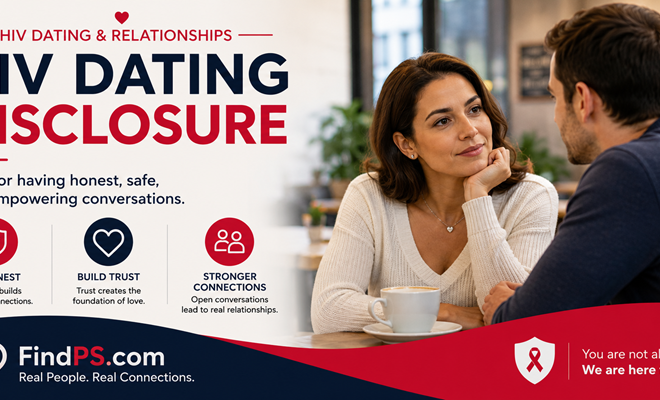
Relationships and Disclosure
An STI diagnosis can raise concerns about dating, intimacy, disclosure, and rejection. Clear and respectful communication can help partners understand relevant risks and prevention options.
For people navigating dating with herpes, discussing outbreaks, protection, and transmission can be part of responsible relationship communication. People living with HIV may also discuss treatment and viral load with partners.
These conversations are personal, and individuals can choose an appropriate time and setting while making sure partners have relevant information before sexual activity.
Can Herpes Increase HIV Risk?
Genital herpes can cause sores or inflammation. If a person with genital herpes is exposed to HIV, these changes can increase susceptibility to HIV infection. However, having herpes does not mean that someone will develop HIV.
This is one reason STI prevention and appropriate testing remain important for sexually active people.
FAQs About Herpes vs. HIV
Can someone have herpes and HIV at the same time?
Yes. A person can have both infections because one does not prevent or cause the other. Appropriate testing can identify each infection separately.
Is herpes curable?
There is currently no cure that removes HSV from the body. Antiviral medicines can help control outbreaks, reduce symptoms, and lower transmission risk.
Is HIV curable?
There is currently no broadly available cure that eliminates HIV. Effective antiretroviral treatment can suppress the virus and protect the immune system.
Can condoms prevent both infections?
Condoms can greatly reduce HIV transmission risk when used correctly and consistently. They also reduce herpes transmission risk but cannot eliminate it because HSV can spread from uncovered skin.
Should someone with herpes get an HIV test?
If there has been a potential HIV exposure, testing may be appropriate. Having herpes alone does not mean someone has HIV. A healthcare professional can recommend testing based on individual circumstances.
Final Thoughts
Understanding Herpes vs HIV helps separate two different infections that are sometimes confused. Herpes is caused by HSV and commonly affects the skin and mucous membranes, while HIV targets the immune system. Both can occur without obvious symptoms and both require accurate information about transmission and prevention.
Medical care can make a major difference. Antiviral treatment can help manage herpes, while antiretroviral therapy can suppress HIV and prevent sexual transmission when the viral load remains undetectable.