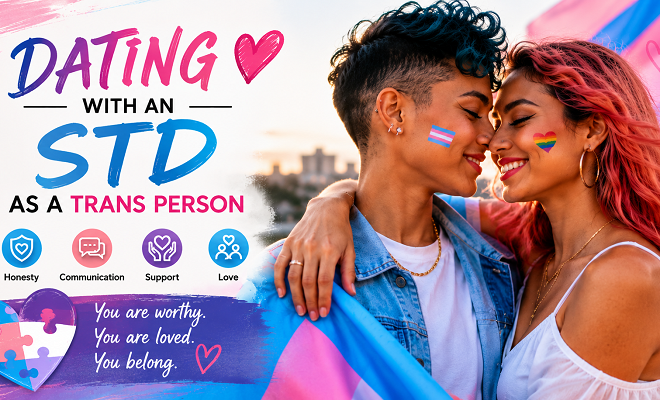
Yes, they can—and many already do. A diagnosis may change how someone approaches dating, but it does not take away the ability to build love, trust, or long-term relationships. What actually shapes dating success is emotional maturity, communication, and mutual respect, not a medical label.
Across real communities and personal experiences, People Living With STDs continue to form relationships, marry, and build families. The idea that dating life ends after a diagnosis is simply not true in real life.
This is where understanding, education, and confidence play a much bigger role than fear or stigma.
Dating After Diagnosis: What Really Changes?
When someone first finds out they are STD-positive, the emotional impact is often stronger than the physical one. Feelings like confusion, worry, or embarrassment are common. But over time, most people realize the condition is manageable and does not define their identity.
Dating after diagnosis becomes less about “if it’s possible” and more about “how to approach it wisely.” People slowly shift from fear-based thinking to informed decision-making.
This is often the beginning of Dating Life After STD Diagnosis, where individuals rebuild confidence and start seeing relationships through a more honest and grounded lens.
Instead of hiding or avoiding dating, many begin to focus on clarity, timing, and emotional readiness.
Stigma Is the Real Challenge, Not the Condition
One of the biggest barriers in STD dating is not medical—it is social perception. Misunderstanding and outdated beliefs create unnecessary fear around dating someone with an STD.
In reality, modern relationships are more informed than ever. When people learn how transmission works and how manageable many STDs are, their perspective often changes quickly.
The journey of Overcoming STD Dating Stigma is less about proving something to others and more about changing how you see yourself. Confidence grows when knowledge replaces uncertainty.
Many people discover that once the conversation is open and honest, most fear disappears naturally.
Communication Builds the Foundation of Trust
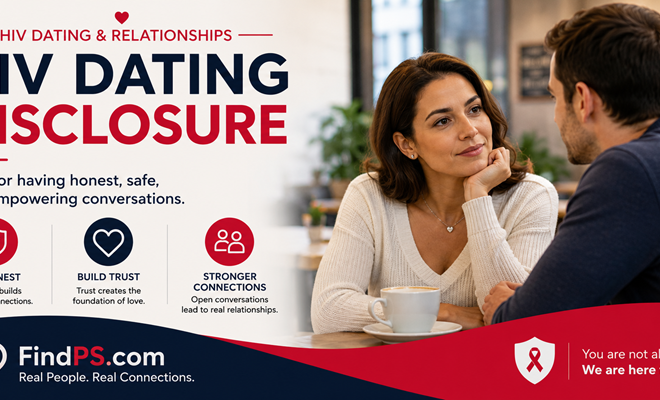
Successful relationships are built on communication, especially when it comes to sensitive topics. Talking about an STD status may feel difficult at first, but it often leads to stronger emotional connections.
Honest communication allows both people to feel safe, informed, and respected. It removes guesswork and builds clarity early in the relationship.
This is a key part of STD Disclosure Dating Advice, where timing and tone matter more than perfection. The goal is not to impress, but to be honest calmly and respectfully.
When disclosure is handled with confidence rather than fear, it often creates trust instead of rejection.
Building Real Trust in Relationships
Trust does not happen instantly—it develops over time through consistency, honesty, and emotional safety. In STD-positive relationships, trust becomes even more meaningful because it includes both emotional and health transparency.
People build trust when they:
- Speak openly without hiding important details
- Respect each other’s boundaries
- Take time to understand concerns instead of reacting emotionally
- Show consistency in words and actions
These behaviors form the base of Building Trust In STD Dating, and they are often stronger in these relationships than in many traditional dating experiences.
Trust becomes the reason relationships grow, not the condition itself.
Healthy Relationships Are Fully Possible
Having an STD does not limit love, intimacy, or long-term compatibility. In fact, many couples report that their relationships become more emotionally connected because communication is more intentional.
When both partners are informed and respectful, relationships function normally. Emotional support, attraction, and shared goals still play the same role they do in any healthy partnership.
This is the reality of Healthy Relationships With STDs—they are not exceptions, they are common experiences among people who approach dating with honesty and care.
Love is not reduced by health status; it is shaped by how people treat each other.
Practical Dating Approach That Actually Works
Dating after an STD diagnosis becomes smoother when there is structure and self-awareness. People who navigate it successfully often follow a calm and thoughtful approach rather than rushing into situations.
Instead of focusing on fear of rejection, they focus on compatibility and emotional connection.
A few natural patterns that help include:
- Taking time to understand your own condition clearly
- Building confidence before entering new relationships
- Choosing emotionally safe and respectful connections
- Sharing information at a comfortable stage of trust
- Prioritizing mutual understanding over approval
These are commonly reflected in STD Positive Relationship Tips, where emotional readiness matters more than perfection.
When dating becomes intentional, the experience often becomes more positive.
Real Community Experiences That Change Perspectives
Across support spaces and dating communities, people openly share their journeys. These stories help others feel less alone and more hopeful about their own dating lives.
Many individuals report that their biggest fear before dating again was rejection. But real experiences often turn out differently.
Here are a few anonymized reflections from community members:
“I expected dating to be over for me. Instead, I found someone who valued honesty more than anything. That changed how I see relationships completely.”
“Once I learned how to talk about it without fear, my dating life actually improved. The right people didn’t walk away.”
“I used to hide my condition and avoid relationships. Now I understand that honesty builds stronger connections.”
These experiences are part of what makes the Positive STD Dating Community so important. It replaces isolation with shared understanding.
Real Meaning Behind STD Dating Success
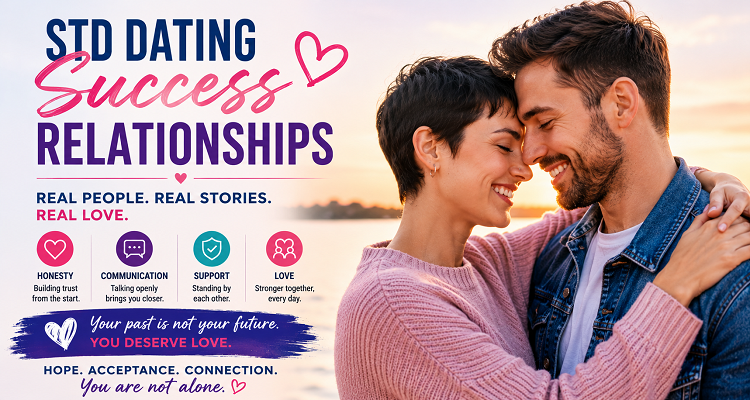
Success in dating is not measured by perfection or the absence of challenges. It is measured by connection, stability, and emotional safety.
Many people living with STDs find that their relationships become more meaningful because they are built on honesty from the beginning. There is less guessing and more clarity.
Common patterns seen in STD Dating Success Stories include:
- Early honest communication
- Emotional maturity from both partners
- Acceptance of medical facts
- Focus on long-term compatibility
These relationships often last longer because they are built on truth rather than assumptions.
Love Still Grows, Even After Diagnosis
Love is not limited by health conditions. It grows through shared experiences, understanding, and emotional connection. Many people find that after a diagnosis, they become more selective—and more intentional—with relationships.
Instead of looking for validation, they start focusing on real compatibility.
This is where Love and Dating With STDs becomes a lived reality. It is not about lowering expectations—it is about finding people who value honesty and emotional depth.
In many cases, relationships become stronger because they start from a place of truth.
Why Community Support Makes a Big Difference
One of the most powerful parts of rebuilding a dating life is community support. Talking to others who understand the experience reduces fear and builds confidence.
Community spaces often provide:
- Emotional reassurance during early dating stages
- Practical advice on disclosure and timing
- Real stories of relationships and success
- A sense of belonging and normalcy
This support system plays a key role in strengthening the Positive STD Dating Community, where people learn that they are not alone in their journey.
Shared experience often replaces fear with clarity.
Frequently Asked Questions
Can people with STDs have normal relationships?
Yes. Many people with STDs are in long-term, healthy relationships. The key is communication and understanding.
Is dating harder after an STD diagnosis?
It may feel difficult at first due to stigma, but it often becomes easier with knowledge and confidence.
When should someone disclose their STD status?
Usually, after emotional trust is formed, but before physical intimacy. Timing should feel natural, not forced.
Do people still get rejected after disclosure?
Sometimes, yes. But many people also respond with understanding, especially when the conversation is honest and calm.
Can STD-positive people find lasting love?
Yes. Many couples in long-term relationships share similar experiences and build strong emotional bonds.
Final Thoughts
An STD Diagnosis does not end a dating life. It changes the way people approach relationships, often making them more honest, thoughtful, and emotionally aware.
When communication improves, fear reduces. When understanding grows, stigma loses power. And when people connect with honesty, relationships become more stable and meaningful.
In real life, love continues—just with more awareness, clarity, and emotional depth than before.