Unprotected sex can raise serious concerns about HIV. However, it’s important to understand that fear often comes from uncertainty rather than facts. Therefore, by learning how HIV transmission works, what your actual risk level is, and what actions to take immediately, you can stay informed, calm, and in control.
This comprehensive guide combines medical research, expert insights, and practical steps. In addition, it emphasizes clarity, reassurance, and actionable advice so you can make confident decisions about your health.
Understanding HIV Transmission
HIV (Human Immunodeficiency Virus) is transmitted through specific bodily fluids. For example, the virus spreads through:
-
Blood
-
Semen
-
Vaginal fluids
-
Rectal fluids
-
Breast milk
According to the Centers for Disease Control and Prevention, HIV is primarily spread through unprotected vaginal or anal sex and sharing needles. In contrast, casual contact such as hugging, kissing, or sharing food does not transmit HIV.
How Risk Varies by Activity
Not all sexual activities carry the same level of risk. Therefore, understanding these differences helps you make safer choices.
Estimated Risk Per Exposure:
-
Receptive anal sex: Highest risk
-
Insertive anal sex: Moderate risk
-
Vaginal sex: Lower risk
-
Oral sex: Very low risk
Similarly, data from the World Health Organization confirms that anal sex carries a higher transmission probability due to delicate tissue exposure. As a result, protective measures become even more important in such cases.
What to Do After Unprotected Sex
If you’ve had unprotected sex, acting quickly is essential. More importantly, taking the right steps can significantly reduce your risk.
Immediate Steps to Take:
1. Consider PEP (Post-Exposure Prophylaxis)
PEP is an emergency medication. Therefore:
-
It must be started within 72 hours
-
The sooner you begin, the more effective it is
-
It can reduce risk by up to 80% or more
2. Get Tested
Testing is equally important. For example:
-
Take an initial test as soon as possible
-
Follow up at 4–6 weeks
-
Test again at 3 months for confirmation
3. Avoid Further Exposure
Until your status is confirmed, it is advisable to:
-
Use protection consistently
-
Avoid additional risk situations
4. Talk to a Healthcare Provider
Most importantly, professional guidance ensures accurate advice tailored to your situation.
Modern HIV Prevention Methods
Today, HIV prevention is more effective than ever. As a result, individuals have multiple options to protect themselves.
1. PrEP (Pre-Exposure Prophylaxis)
PrEP is a daily medication. In fact:
-
It reduces sexual HIV risk by up to 99%
-
It is ideal for individuals with ongoing risk
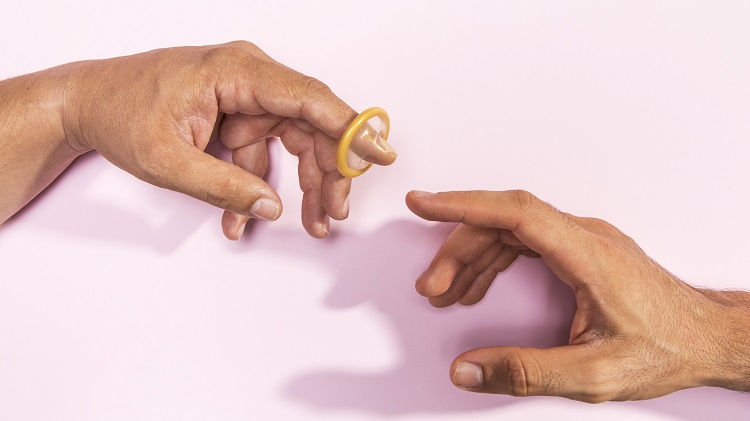
2. Condoms
Condoms remain a reliable method. Moreover:
-
They protect against HIV and other STIs
-
They are widely accessible and cost-effective
3. U=U (Undetectable = Untransmittable)
This concept has transformed HIV understanding. Specifically:
-
Individuals on effective treatment with undetectable viral loads cannot transmit HIV sexually
This is supported by research from the National Institutes of Health. Consequently, treatment not only improves health but also prevents transmission.
Expert Insights on HIV & Relationships
Medical experts emphasize education and communication. For example:
Dr. Anthony Fauci states:
“Treatment and prevention tools have transformed HIV into a manageable condition.”
Likewise, Dr. Rochelle Walensky explains:
“Testing, treatment, and prevention are essential to reducing HIV transmission.”
Therefore, knowledge combined with action leads to better outcomes.
Real-Life Risk Scenarios
Understanding practical situations helps reduce confusion. For instance:
Scenario 1: One-Time Exposure
While the risk exists, it varies depending on the type of contact and partner status.
Scenario 2: Unknown Partner Status
In this case, testing and preventive measures become especially important.
Scenario 3: Condom Failure
If protection fails, you should consider PEP immediately.
Emotional Impact & Mental Well-Being
Concerns about HIV can trigger anxiety. However, these feelings are completely normal. In fact, many people experience similar worries.
Helpful Approaches:
-
First, rely on accurate information
-
Next, follow proper testing timelines
-
Additionally, speak with healthcare professionals
-
Finally, connect with supportive communities
As a result, emotional stress becomes easier to manage.
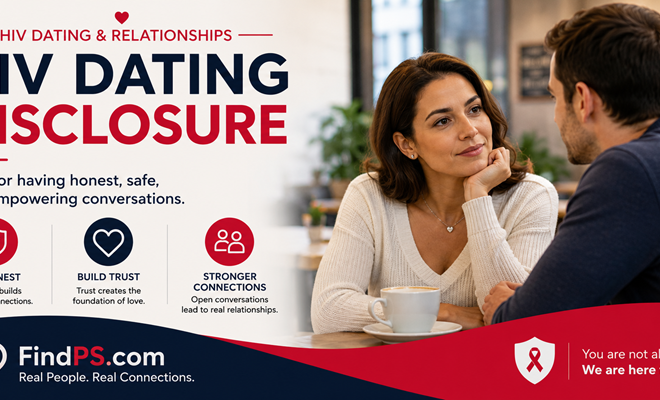
Dating & Living with HIV
Living with HIV does not prevent meaningful relationships. On the contrary, many individuals build strong and lasting partnerships.
Platforms like PositiveSingles offer:
-
A supportive and understanding community
-
Privacy-focused communication tools
-
Resources for education and connection
Therefore, individuals can date with confidence and dignity.
Trusted Resources for Accurate Information
For reliable guidance, refer to:
-
Centers for Disease Control and Prevention
-
World Health Organization
-
HIV.gov
These organizations provide up-to-date, science-based information.
Practical Tips to Stay Safe
To reduce your risk effectively:
-
Always use protection
-
Get tested regularly
-
Consider PrEP if needed
-
Communicate openly with partners
-
Follow medical advice when necessary
In summary, consistency and awareness are key.
Frequently Asked Questions (FAQ)
Can you get HIV from one unprotected encounter?
Yes. Although the risk varies, transmission can occur from a single exposure.
How soon should I take PEP?
You should start within 72 hours. Ideally, begin as soon as possible.
Is HIV preventable today?
Yes. With modern tools like PrEP and treatment, prevention is highly effective.
When should I get tested?
Test immediately, then again at 4–6 weeks and 3 months.
Can people with HIV have normal relationships?
Absolutely. With treatment, they can live healthy lives and maintain fulfilling relationships.
Call to Action
If you are concerned about HIV risk, it is important to act quickly. Therefore:
-
Get tested
-
Talk to a healthcare provider
-
Take preventive steps
Additionally, you can connect with supportive communities through PositiveSingles to build confidence and meaningful relationships.
Final Thoughts
Unprotected sex can be stressful. However, knowledge gives you control. By understanding risks, acting quickly, and using modern prevention tools, you can significantly reduce uncertainty.
Ultimately, staying informed, proactive, and supported will help you protect both your health and your peace of mind.